No rule is set in stone: the ideal age to start canine pulling, weight training, or canicross does not come from any universal manual. Recommendations vary, influenced by growth, the breed of the animal, and the targeted discipline. Some federations open the door as early as six months, while others prefer to wait until one year, or even a year and a half, to safeguard the health of young athletes, whether they have four legs or two.
Starting too early or skipping steps risks hindering physical development or even causing avoidable injuries. A thoughtful schedule, built on the advice of veterinarians and experienced trainers, makes all the difference. Here, each situation is assessed on a case-by-case basis; individual evaluation, regular monitoring, and adjustments are the winning combination.
At what age to start: essential guidelines for pulling, weight training, and canicross with your dog
Starting pulling or weight training with your dog requires patience and observation. The question arises repeatedly: how to choose the right moment without harming the growth or balance of the duo? It all begins with respecting physical maturity, even before thinking about performance.
In dogs, growth finishes between 12 and 24 months, depending on the breed. Therefore, before this threshold, exercises involving pulling or resistance that stress muscles and joints should be avoided. Humans, on the other hand, can consider light bodyweight training under supervision. Additional weights and more advanced routines will have to wait until growth is solidified.
To establish a reliable framework, a few guidelines are necessary:
- Wait until the dog’s growth is complete before introducing the pulling harness
- Prefer short and playful sessions for younger dogs, focusing on variety and safety
To go further or clarify certain benefits, you can consult the age of pulling on Les Voitures Anciennes: this guide offers benchmarks to assess the ideal moment, adjust practice according to the duo, and maximize safety in the experience.
What benefits to expect for young practitioners and their four-legged companions?
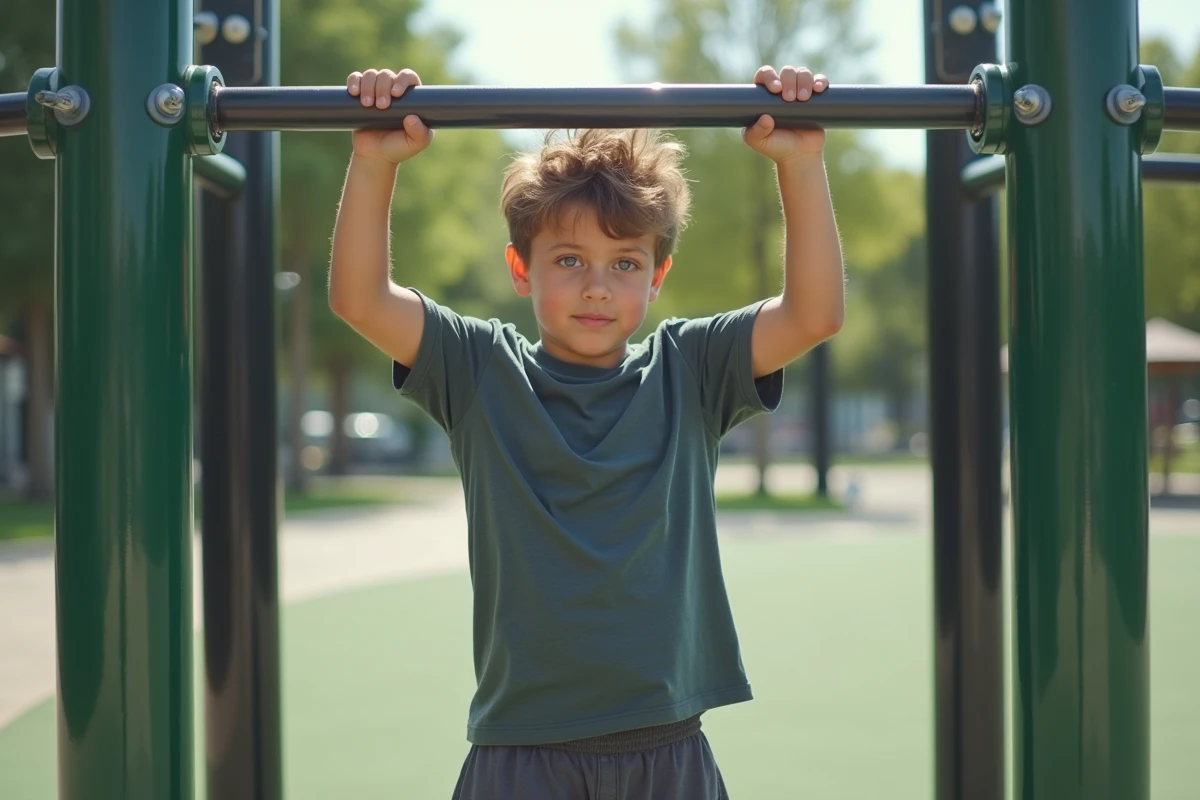
Engaging a child and their dog in a pulling activity at the right age is much more than a sporting adventure. It stimulates muscle development, sharpens the sense of collaboration, and teaches effort management. Progress is gradual, with body and mind growing together.
For the dog, starting pulling after growth promotes muscle gain, bone density, and body balance. Properly chosen equipment, a suitable harness, and moderate loads spare the joints and distribute effort where it is needed. For the child, working with body weight, attempting a first pull, or learning basic movements enhances coordination, helps them feel their strengths, and builds confidence without rushing.
Several major advantages can be distinguished in engaging a tandem in this field:
- General strengthening of muscle chains
- Increased endurance, both physical and mental
- Better coordination and precision in movements
- Strengthening of the trust bond and the pleasure of sharing an activity with their animal
Beyond the physical challenge, it also involves managing limits, patience, and respecting each other’s pace. The ultimate reward: a united duo, ready to take on new challenges, on the trails and in daily life.
Precautions, risks, and practical advice for a safe start according to age
Respect physical maturity before initiating pulling
It is impossible to skip the step of veterinary control: bone growth, muscle strength, everything must be validated before starting seriously. Rushing exposes to injuries, joint issues, or problems related to insufficient development. In dogs, this mandatory step often occurs between 12 and 18 months, depending on their morphology.
Warm-up and gradual progression: pillars of injury prevention
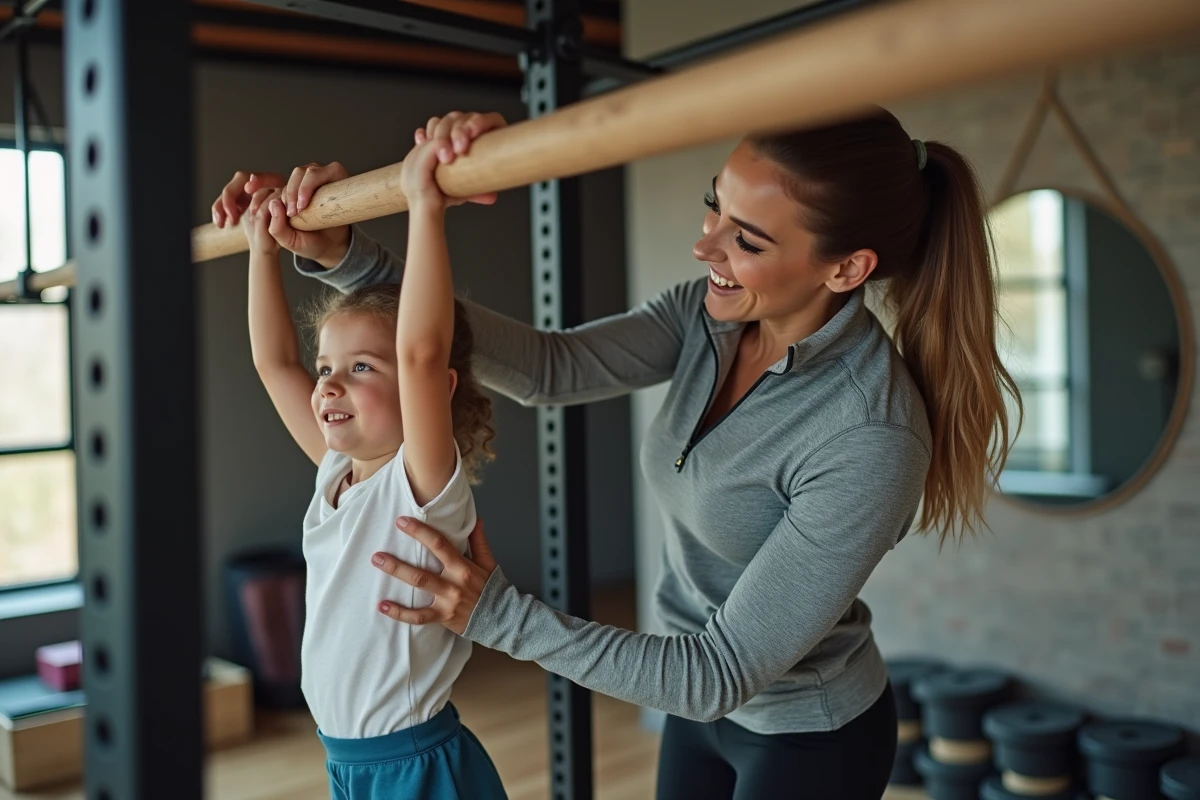
A careful warm-up, whether for humans or dogs, is essential before each session. For children, starting with simple movements like squats, push-ups, and planks paves the way for effective progression while ensuring recovery and adaptation.
Putting all chances on your side involves following several concrete precautions:
- Select a well-fitted harness for the dog, neither too loose nor too tight
- Closely observe the first sessions to detect any discomfort or fatigue
- Increase intensity gradually, without sudden jumps in effort
- Schedule rest days to allow for physical recovery
A sudden limp, signs of disengagement, a dog slowing down: these are all warnings to take seriously. Do not hesitate to consult a veterinarian or a sports specialist before proceeding further. Adapting surfaces, dosing efforts, and prioritizing listening: solid progression is built on good foundations, not on haste or excess.
Over the weeks, pulling establishes itself as a field of complicity and shared development. Respecting maturation, adjusting difficulty, and moving forward together: this is the outline of a duo capable of overcoming challenges, faithful to their ambitions and mindful of each other’s well-being.