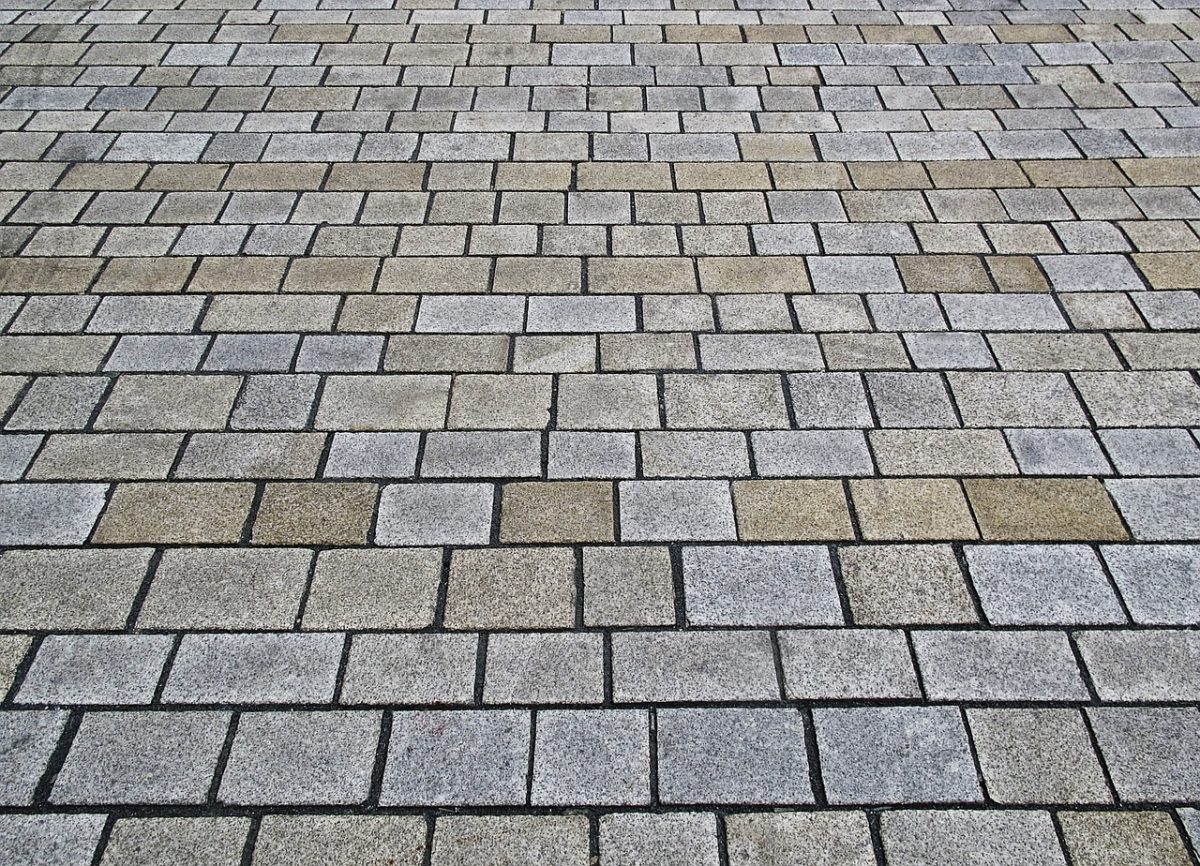
Load-bearing pavers, capable of withstanding vehicle weight, represent an ideal choice for driveways, sidewalks, and parking areas. Selecting the right thickness of outdoor pavers is crucial to ensure long-term durability and safety. But what thickness should you choose for your load-bearing pavers? Let’s explore the various factors to consider for making an informed and wise choice.
Understanding Load-Bearing Pavers
Before diving into the details of thickness, it is essential to understand what load-bearing pavers are and why their selection is so important.
Load-bearing pavers must be robust enough to support the weight of vehicles without cracking or shifting. They are generally made from materials such as concrete, natural stone, or interlocking pavers, each offering specific characteristics.
Determining Factors for Paver Thickness
To select the appropriate thickness, several key elements must be considered, including the intended use, soil type, and climatic conditions.
- Intended Use: A pedestrian walkway will not require the same thickness as a driveway intended for heavy vehicles. For a pedestrian walkway, a thickness of 4 to 6 cm may suffice. For an area intended for light vehicles, a thickness of 6 to 8 cm is recommended. In contrast, for areas where heavy vehicles circulate, it is advisable to opt for a thickness of 8 to 10 cm.
- Soil Type: Loose or unstable soil will require thicker pavers and a stronger foundation to prevent settling. Stable soil will allow for the use of slightly thinner pavers.
- Climatic Conditions: Regions subject to freeze-thaw cycles require thicker and more resilient pavers to avoid cracking. Increased thickness helps to compensate for the effects of thermal variations.
Types of Pavers and Their Thicknesses
Different types of pavers are available on the market, each with varied thicknesses suited for specific uses.
For concrete pavers, common options include thicknesses of 6 to 8 cm for light load-bearing driveways, and 8 to 10 cm for paths supporting heavier weights. Natural stone pavers, often more durable, allow for some flexibility. For example, granite can be used from 6 cm thickness for pedestrian areas, while for load-bearing areas, a thickness of 8 to 10 cm is often necessary.
Interlocking pavers, known for their durability and aesthetics, can vary between 6 and 10 cm, depending on the use. For a residential driveway, a thickness of 6 cm is generally sufficient, but for an industrial or commercial driveway, pavers of 8 cm or more are preferred.
Steps to Install Load-Bearing Pavers
Proper installation of load-bearing pavers requires careful preparation and specific steps to ensure their longevity and stability.
- Soil Preparation: Excavate the soil to a sufficient depth, generally 20 to 40 cm, depending on the thickness of the pavers and the nature of the soil. Ensure to create a slight slope for drainage.
- Foundation Layer: Install a base of compacted gravel, 10 to 20 cm thick, to ensure a stable and draining foundation.
- Setting Layer: Add a layer of stabilized sand about 5 cm thick on the foundation. This sand must be leveled carefully to ensure a flat surface.
- Placing the Pavers: Arrange the pavers according to the chosen pattern, ensuring to leave regular joints. Use a rubber mallet to adjust them and a vibrating plate to compact them after placement.
Choosing the right thickness for your load-bearing pavers ensures optimal durability and adequate resistance to loads and environmental conditions. Considering the intended use, soil type, and climatic conditions is essential for making a wise choice. Careful installation, with appropriate preparation and foundation, will complete the process to ensure the longevity of your project.