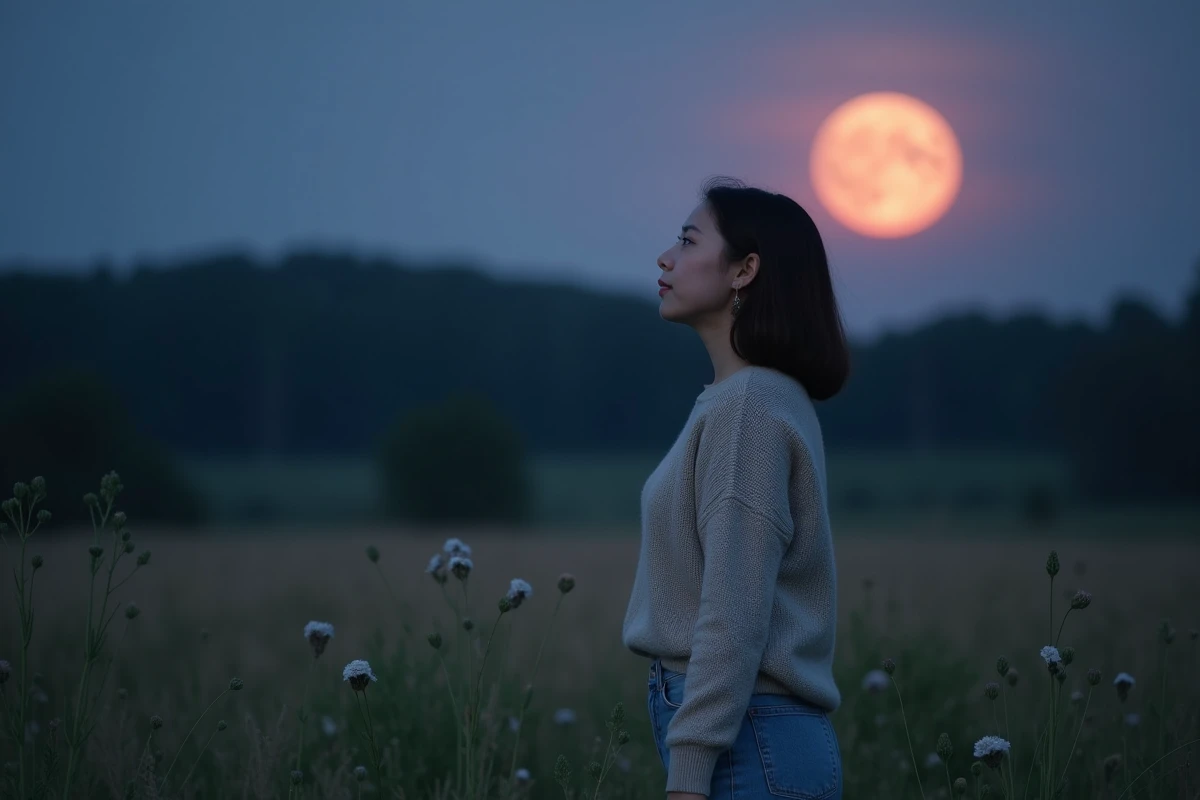
In April, the lunar calendar features an event called the “pink moon,” although this name does not refer to any visible coloration of the celestial body. The term is rooted in ancient traditions and varies across cultures and continents. Astronomers classify this phenomenon among the list of ordinary full moons, while popular legends continue to associate it with particular virtues or omens.
This term, widely used in the media and on social networks, generates persistent confusion about its causes and manifestations. Scientific explanations and popular beliefs intertwine, creating renewed enthusiasm each spring.
The pink moon: a phenomenon that intrigues every spring
April brings the pink moon to the northern sky, marking the lunar calendar with a unique event. This phenomenon, which occurs only once a year, coincides with the return of spring and all that it carries of renewal and anticipation. Despite its name, the pink moon is not a colorful curiosity: the name is inspired by phlox, the wildflower that blankets the underbrush of North America with bright pink touches as the beautiful days arrive.
If the enthusiasm for the pink moon remains strong, it is also because it sets the calendar for Easter. Indeed, Easter falls on the first Sunday following the full moon that follows the spring equinox. This coincidence is not trivial: long before the modern era, lunar cycles guided religious festivals and major gatherings. The meaning of the pink moon goes far beyond simple botanical folklore or liturgical markers.
Research from the University of Washington even highlights that the full moon impacts sleep, causing difficulties in falling asleep at its peak brightness. But the influence of the pink moon is not limited to biology: it also inhabits beliefs, stories, and collective rituals. Transformation, hope, resilience: each year, the pink moon crystallizes a shared expectation between science, nature, and imagination.
Why does the April moon have this name? Origins and traditions surrounding the “pink moon”
The pink moon intrigues and captivates, but the origin of its name is nestled in the natural cycles of North America. The indigenous tribes and the Farmer’s Almanac assigned a unique name to each full moon. The one in April refers to the blooming of phlox, which adorns the ground with shades of pink as spring begins. The pink moon has therefore, in reality, never changed the color of the night sky: it celebrates the plant’s rebirth.
Here are some examples of names attributed to the April full moon according to different cultures:
- Grass Moon
- Egg Moon
- Fish Moon
- Peony Moon (Chinese astrology)
- Seed Moon (Wiccan tradition)
The Algonquin peoples, keen observers of the rhythms of life, linked each lunar cycle to a key stage of the landscape: germination of plants, migration, the beginning of laying eggs. Other traditions, in China or among Wiccans, associated the April full moon with the peony or the seed, symbols of potential and growth.
The meaning of the pink moon is woven into this tapestry of stories and markers. Each lunar name tells a season, a transformation, a way of inhabiting the link between earth and sky. It is impossible to confuse the pink moon with the blue moon or the blood moon: here, it is a tribute to the explosion of life, a night that accompanies the rebirth of the world without altering its light.

Symbols, beliefs, and curiosities: what the pink moon reveals around the world
The pink moon is not just a simple astronomical alignment. In many cultures, it symbolizes renewal, rebirth, and transformation. This lunar event accompanies the rise of sap, the awakening of the soil, and blooming, all signs that encourage sowing, celebrating fertility, or making a fresh start.
Astrology is not left out: the April full moon, generally associated with Libra or Scorpio, evokes balance, healing, and inner growth. The University of Washington has demonstrated that sleep becomes lighter during this phase, which feeds the idea of a lunar influence on the body and mind. Resilience, change, hope: these concepts recur in the stories and celebrations that mark the pink moon each spring.
Some notable aspects of this full moon, noted across different cultures:
- Celebration of the cycle of growth and blooming
- Invitation to healing and personal growth
- Observed effects on sleep and mood
- Marker for religious festivals, including the date of Easter
The pink moon leaves its mark on the calendar and traditions. It reminds us that nature, each year, offers the possibility to start anew, to renew cycles, and to regain a sense of momentum. At the heart of the April night, the moon watches over, a discreet witness to a spring that unfolds before our eyes.