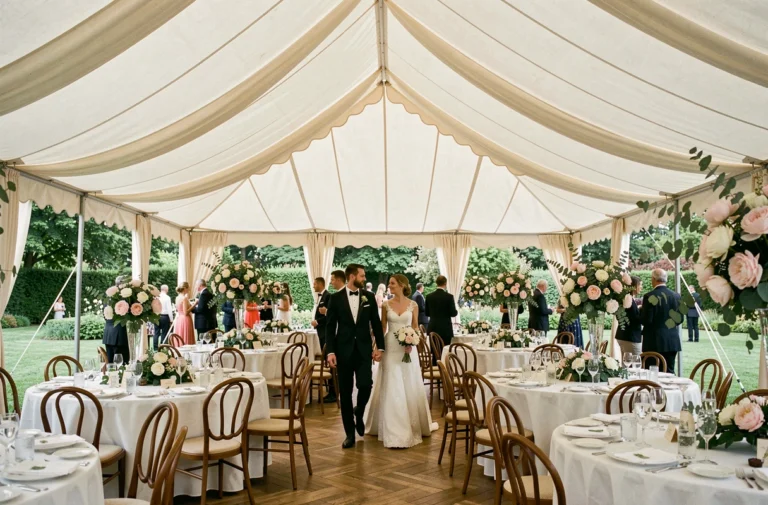
The choice of an accessory is based on precise visual construction principles: proportions, material ratio, focal point. These parameters determine whether a piece structures a silhouette or disrupts it. We observe that the fashion trends of 2026 reinforce this technical requirement, with accessories that must meet new traceability and composition constraints in addition to their aesthetic function.
Digital passport and anti-greenwashing directive: what changes for fashion accessories
Since September 27, 2026, the European directive 2024/825 prohibits unverifiable environmental claims on accessories. Terms like “eco-friendly,” “green,” or “sustainable” used alone, without recognized performance proof, are now banned. Claims of climate neutrality based on carbon offsetting are also targeted.
The European framework also provides for a digital product passport, accessible via QR code, containing information on composition, traceability, durability, and repair conditions. For a bag, a belt, or glasses, this means that consumers will be able to verify the origin of the leather, the nature of the metals, or the type of glass used.
We recommend considering this data as a standalone selection criterion. An accessory from a brand that refuses to provide this information will, in the long run, be a negative signal. Medium-sized companies will be affected starting in 2030, but large houses and online brands are already subject to this.
Repair and resale are part of this regulatory logic. Brands must prioritize reuse, refurbishment, or donation, and declare unsold items destroyed. An accessory that is easily repairable gains in usability and regulatory compliance.
Building a focal point: belt, bag, and silhouette proportions
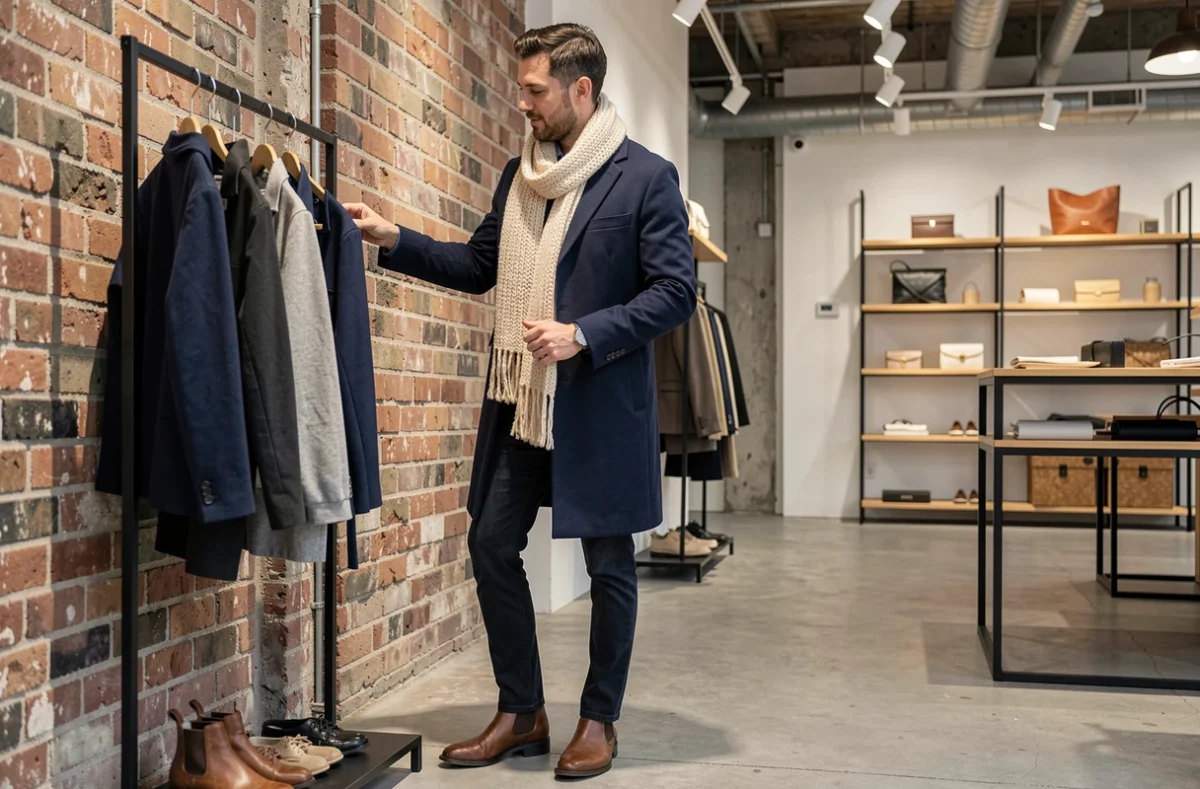
A look relies on a unique focal point. Multiplying visually dominant accessories (wide belt, structured bag, oversized earrings) creates noise that dilutes the allure instead of enhancing it. We observe that the best-constructed silhouettes concentrate attention on a single area of the body.
The belt remains the most underestimated accessory in terms of structural impact. Worn high, it shortens the torso and elongates the leg. Worn low, it produces the opposite effect. In 2026, the cummerbund (a wide pleated band of Asian origin) leaves the formal wardrobe to pair with everyday pieces, offering a more pronounced volume-to-belt ratio than a classic belt.
To delve deeper into this aspect and find suitable pieces, the selection of accessories on By Julie covers various typologies that allow for testing different proportion ratios.
The bag functions as a visual counterweight. Its size should oppose the morphology: a compact bag on a loose silhouette creates a contrast that structures, while an oversized bag on a petite frame crushes the proportion. The material also plays a role: a grained leather bag on a fluid outfit brings the necessary texture tension.
Technical criteria for choosing a structuring accessory
- Visual weight: a matte piece absorbs light and recedes, while a shiny or textured piece advances and attracts the eye. Place reflective material on the area to be highlighted.
- Scale ratio: the size of the accessory should compensate for the proportion of the garment, not double it. A fitted dress calls for a soft bag, not a rigid clutch that repeats the tension.
- Color temperature consistency: mixing a warm metal (gold) with a cold metal (silver) only works if both pieces are in the same field of vision. Otherwise, the eye perceives a palette error.

Glasses and jewelry: accessories that change the perception of the face
The frame of glasses is the only accessory that alters the perceived geometry of the face. The choice of frame shape is not merely a matter of taste but a principle of opposition: a round face gains definition with sharp angles, while an angular face is softened with curves. The 2026 trends favor thick acetate frames and elongated rectangular shapes, which visually lengthen a short face.
Earrings operate on the same geometric opposition principle. XXL formats, in vogue for several seasons, do not suit all faces. A long, thin pendant elongates a round face but disrupts an already narrow face. We recommend testing the piece from the side as well as from the front: it’s the profile that reveals if the volume is well-placed in relation to the jawline.
Layering jewelry: the rules of visual grammar
Layering necklaces or bracelets follows a gradient logic. Each piece should vary in at least two parameters among three: length, thickness, texture. Two chains of the same thickness at different lengths produce a poor effect. Varying thickness and texture on each layer adds depth to the accumulation.
The number of layered pieces depends on the neckline. A closed round collar supports three layers. A deep V-neck is satisfied with a maximum of two pieces, as the open space already serves as a stage. Adding too much metal in a generous neckline creates visual clutter that contradicts the sought-after elegance.
Accessories and spring-summer outfits: adapting materials to the season
The transition to spring looks requires a change in material register. Thick leathers and faux furs give way to raffia, canvas, and resins. The material coherence between garment and accessory conditions the overall credibility.
A linen dress paired with a patent leather bag creates a register mismatch that the eye immediately identifies. In contrast, the same dress with a rigid canvas bag or woven raffia builds a unity of touch. Glasses follow the same logic: translucent acetate or fine metal frames match lightweight materials, while thick opaque frames belong to a denser wardrobe.
- Raffia and wicker: reserved for bags and hats, not for jewelry (plant weaving ages poorly in contact with sweat)
- Resin and acetate: preferred for spring jewelry, as the lightness of the material avoids a heavy effect on bare skin
- Matte gold metal: works better than shiny metal under strong natural light, as it does not reflect distracting glares
The final point to keep in mind is the durability of the chosen pieces. With the European regulatory framework pushing for repair and refurbishment, investing in a repairable accessory (accessible stitching, replaceable clasp, interchangeable glasses) is no longer just an ecological gesture. It’s a style choice that extends the lifespan of each look.