Which pieces deserve a lasting place in a wardrobe this season, and which ones won’t survive beyond a few weeks on social media? The answer depends less on fashion shows than on a shift in buying behavior: searches for so-called “investment” pieces are significantly increasing among 20-35 year-olds, according to the Lyst Index 2024-2025, while impulsive fast fashion purchases are declining. The fashion trends of the season can be read through this filter.
Sustainable pieces versus micro-trends: what the searches reveal
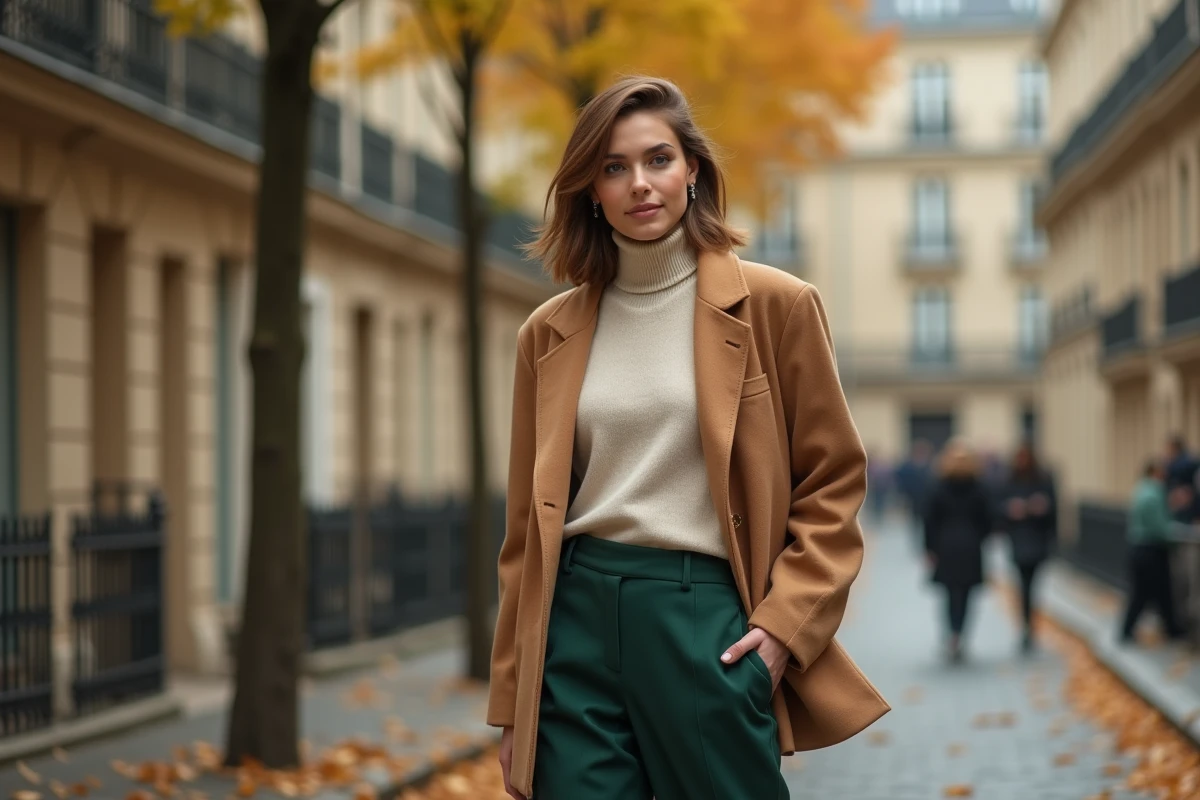
The “State of Fashion 2025” report from McKinsey and Business of Fashion confirms a shift: buyers are favoring more expensive but fewer pieces. Structured coats, premium denim, tailored suits, and quality bags dominate wishlists, far from the viral micro-trends saturating TikTok.
| Category | Search Dynamics (Lyst Index 2024-2025) | Estimated Lifespan in Style |
|---|---|---|
| Structured coat / trench | Over-representation in wishlists | Several seasons |
| Premium denim (barrel cut, wide leg) | Steady growth | Several seasons |
| Tailored suit / fitted blazer | Increasing searches among 20-35 year-olds | Several seasons |
| Viral micro-trend (e.g., ultra-short asymmetrical top) | Brief peak followed by rapid decline | Few weeks |
This table illustrates a clear gap between pieces that structure a personal style and those that generate ephemeral engagement. The “investment pieces” categories dominate searches and wishlists on shopping platforms, guiding the reading of trends this season.
For those who wish to discover fashion with EpicBuzz, this gap between stylistic durability and ephemeral virality provides a useful framework before any purchase.

Spring-Summer Colors and Fabrics: Balancing Boldness and Longevity
The palettes presented on the runways oscillate between earthy tones (beige, sage green, camel) and bold colors (butter yellow, cobalt blue, coral pink). However, their adoption in the wardrobe does not follow the same logic.
Neutral and Earthy Tones: A Stable Foundation
Sage green and beige fit into almost all combinations. Paired with off-white or camel, they form bases on which to add a brighter touch. Sage green stands out for its versatility with neutral tones, which explains its recurring presence from season to season.
Bright Colors: Targeted Use
Butter yellow or cobalt blue work better as accents (an accessory, a short colored jacket) than in a total look. A bag, a pair of sunglasses, or a belt is enough to incorporate these shades without compromising overall coherence.
In terms of fabrics, linen and lightweight cotton remain the most suitable for rising temperatures. Breathable fabrics like linen ensure comfort and hold throughout the season. Satin, which is very present in collections, requires more demanding care, limiting its everyday use.
Spring-Summer Silhouettes: Flowing Dress, Wide Pants, and Structured Jacket
The dominant silhouettes this season share a common point: they prioritize ease without sacrificing structure. Three categories stand out from the collections and search data.
- The long flared dress, worn with flat sandals or sneakers, establishes itself as the most versatile piece of spring-summer. It works equally well in casual contexts and in the evening with a change of accessories.
- The high-waisted wide pants (barrel cut or wide leg) continue their upward trend. The barrel jean is establishing itself as a reference cut beyond just one season. It is gradually replacing the slim fit in women’s wardrobes.
- The short colored jacket or short trench adds a layer of structure over flowing pieces. This layering creates a contrast of volumes that defines the style of the season.
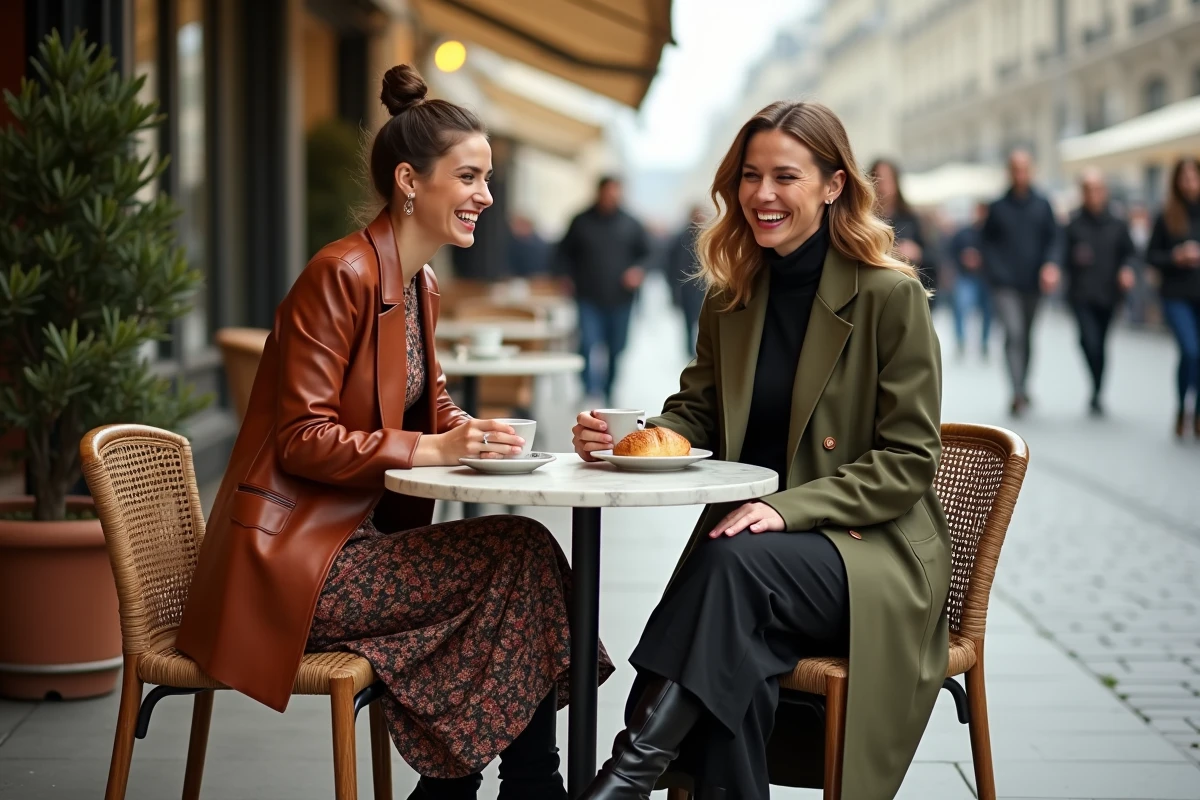
The challenge is not to accumulate these pieces but to choose those that correspond to real use. A flowing dress worn three times a week has more stylistic impact than a complete wardrobe of trendy pieces worn only once.
European Textile Regulation and Its Impact on Trend Collections
A factor rarely mentioned in fashion guides is, however, changing the available offer in stores. The EU Strategy for Sustainable and Circular Textiles, adopted by the European Commission in 2022, is starting to produce concrete effects on the 2025-2026 collections.
The gradual requirement for a digital product passport pushes brands to limit the number of references per collection. The pieces offered in stores tend to be more durable in their design, which mechanically reduces the rotation of micro-trends.
For consumers, this evolution translates into a more limited but better-quality choice. Fewer references on the shelves mean less visual noise and clearer purchasing decisions. Accessories (jewelry, bags, scarves) remain the most accessible lever to personalize a look without multiplying clothing purchases.
Fashion Accessories This Season: The Lever of Unique Style
Accessories absorb trend variations without engaging a high budget. This season, three families stand out:
- Structured medium-sized bags, made of leather or recycled materials, which replace the mini-bags of previous seasons. Their capacity makes them usable every day.
- Visible jewelry (oversized earrings, wide link necklaces) that add character to a simple outfit.
- Wide belts worn over a dress or blazer, which redefine the silhouette without changing clothes.
These accessories allow for adapting the same basic outfit to multiple contexts, from the office to a dinner on the terrace. This is where the construction of a unique style lies: few well-chosen pieces are worth more than a complete wardrobe renewal.
Ultimately, the spring-summer season boils down to a simple arbitration. The search data and regulatory developments converge towards the same signal: buy less, choose better, and use accessories as an adjustment variable. Personal style is built over time, not on the latest viral peak.