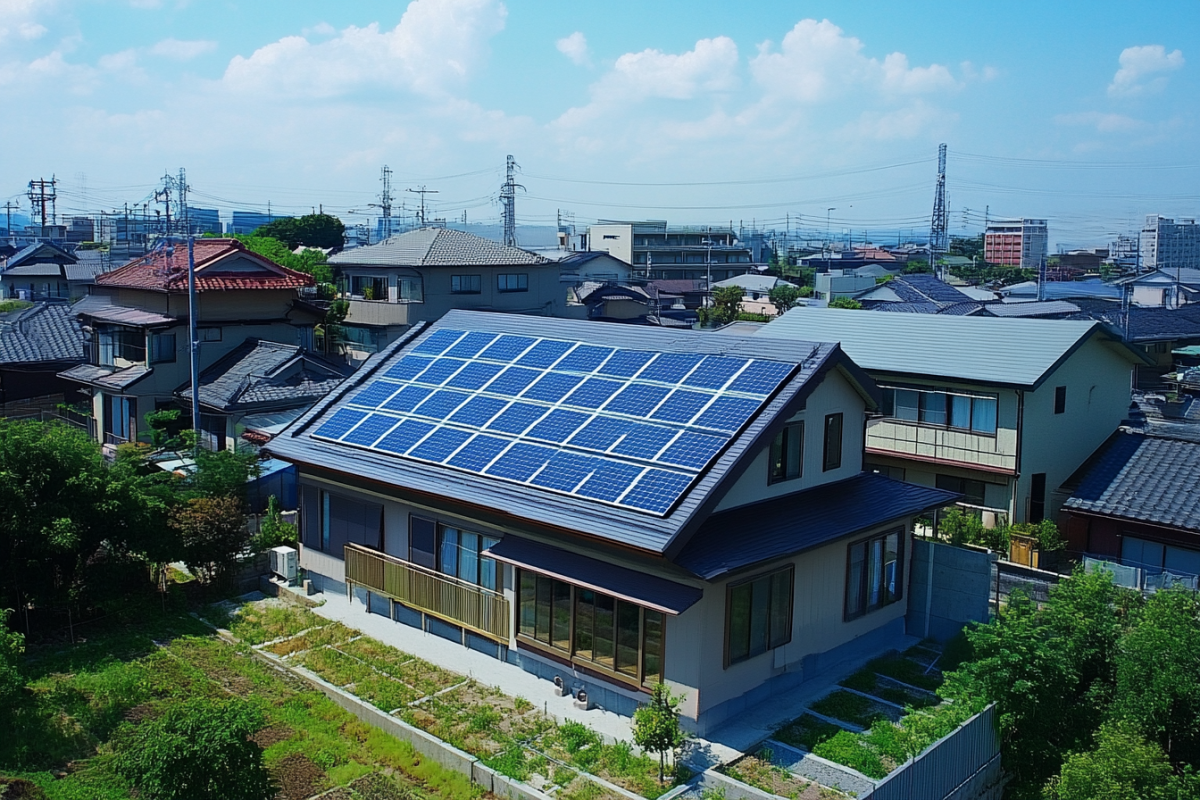
As the world increasingly focuses on sustainable energy solutions, solar panels are becoming an essential choice. These devices, which convert sunlight into electricity, are at the heart of a global energy transition. They provide a clean energy source, reduce dependence on fossil fuels, and play a key role in the fight against climate change. Every day, their popularity grows, attracting the attention of governments, businesses, and individuals. Whether it’s a single-family home in the suburbs or an industrial operation, integrating photovoltaic solar energy into our daily lives paves the way for a greener future.
How Solar Panels Work
To understand why and how these devices capture and convert solar energy, it is essential to delve into their operation.
Solar panels consist of photovoltaic cells that absorb photons from sunlight. These cells are generally made from silicon, a semiconductor material, which generates electricity when exposed to light. Each cell produces a small amount of energy, but when connected together in a panel, they can provide a substantial amount of electricity. The panels are then connected to an inverter that converts the direct current produced by the cells into alternating current, usable by our everyday electrical devices.
- Photons: Particles of light, the energy source for the cells.
- Photovoltaic cells: Convert light into electricity.
- Inverter: Transforms the current for household use.
Environmental and Economic Benefits
The benefits of solar panels extend far beyond simple energy production.
With the adoption of solar panels, users notice a significant reduction in their carbon footprint, as they directly contribute to the decrease of greenhouse gas emissions. Solar energy is renewable, meaning it is inexhaustible and available in abundance. Economically, installing solar systems often leads to a significant reduction in electricity bills. Tax incentives and government subsidies make this transition even more financially accessible.
- Reduction of CO2 emissions.
- Source of renewable and abundant energy.
- Decrease in long-term energy costs.
- Tax incentives: Lessen the initial installation cost.
Dismantling Commercial Myths
Misconceptions about solar panels can hinder their adoption. It is time to dispel these myths.
It is often claimed that solar panels do not work on cloudy days or that they are ineffective in cold climates. In reality, even under a cloudy sky, there is enough light to generate energy. Furthermore, cold conditions can actually increase the efficiency of photovoltaic cells. Another common myth is that the initial cost is prohibitive, but as mentioned earlier, financial aids can reduce these costs. The idea that installation is complicated or intrusive is also unfounded. Technological advancements have simplified the setup process, making seamless integration into existing architecture easier than ever.
Future and Technological Innovations
The future prospects for solar energy are fascinating with the ongoing advancement of technological innovations.
Researchers are focusing their efforts on developing new high-efficiency solar cells that promise to further enhance the energy efficiency of solar panels. Progress in materials, such as tandem cells or perovskites, shows immense potential to revolutionize the sector. Additionally, energy storage infrastructures, such as lithium-ion batteries, are rapidly evolving, allowing us to overcome the challenges associated with the intermittency of solar energy. Finally, smart technologies, such as smart grids, optimally integrate solar energy into the overall energy dynamics.
- Tandem cells: Promise increased efficiency.
- Perovskites: Innovative materials for the future of solar.
- Energy storage: Solutions to address intermittency.
- Smart grids: Advanced integration of renewable energies.
By integrating green technologies into our daily lives, we are taking concrete steps towards a sustainable future. Solar panels are at the center of this green transition, offering both environmental and economic benefits. They embody the promise of clean and renewable energy, envisioning a world that respects the planet. Each of us has a role to play in this change, and adopting solar solutions is a significant step towards this goal. Let us continue to encourage innovations and expand access to this vital technology for present and future generations.